
It can be difficult to evaluate how your customers experience your product or service. As an insider, it’s hard to see your business offerings as a new customer would. However, if you try to change your perspective or are willing to question your own opinions, you’ll be amazed by the insights you gain.
Empathize With Customers To Design Your Best Events or Services
In my opinion, this is a significant reason for working with design thinking methods and user/customer experience design. By putting in the effort to empathize with the customer and walk in their shoes, you’ll understand how they think and feel throughout their journey as your customer or user.
Check out the factors I believe are important, and the tips at the end for inspiration to boost user and customer experiences.
Factors Contributing to Boring Events
#1
Monotonous Content Delivery:
Prolonged, one-way presentations without interactive elements induce boredom. Modern audiences expect dynamic experiences.
#2
Absence of Active Participation:
Events where attendees are passive observers are prone to boredom. Active participation through workshops, discussions, and interactive activities is essential.
#3
Poorly Planned Logistics:
Logistical issues like technical glitches, long queues, and disorganization create frustration and detract from the overall experience.
#4
Ignoring the Senses and Emotional Connection:
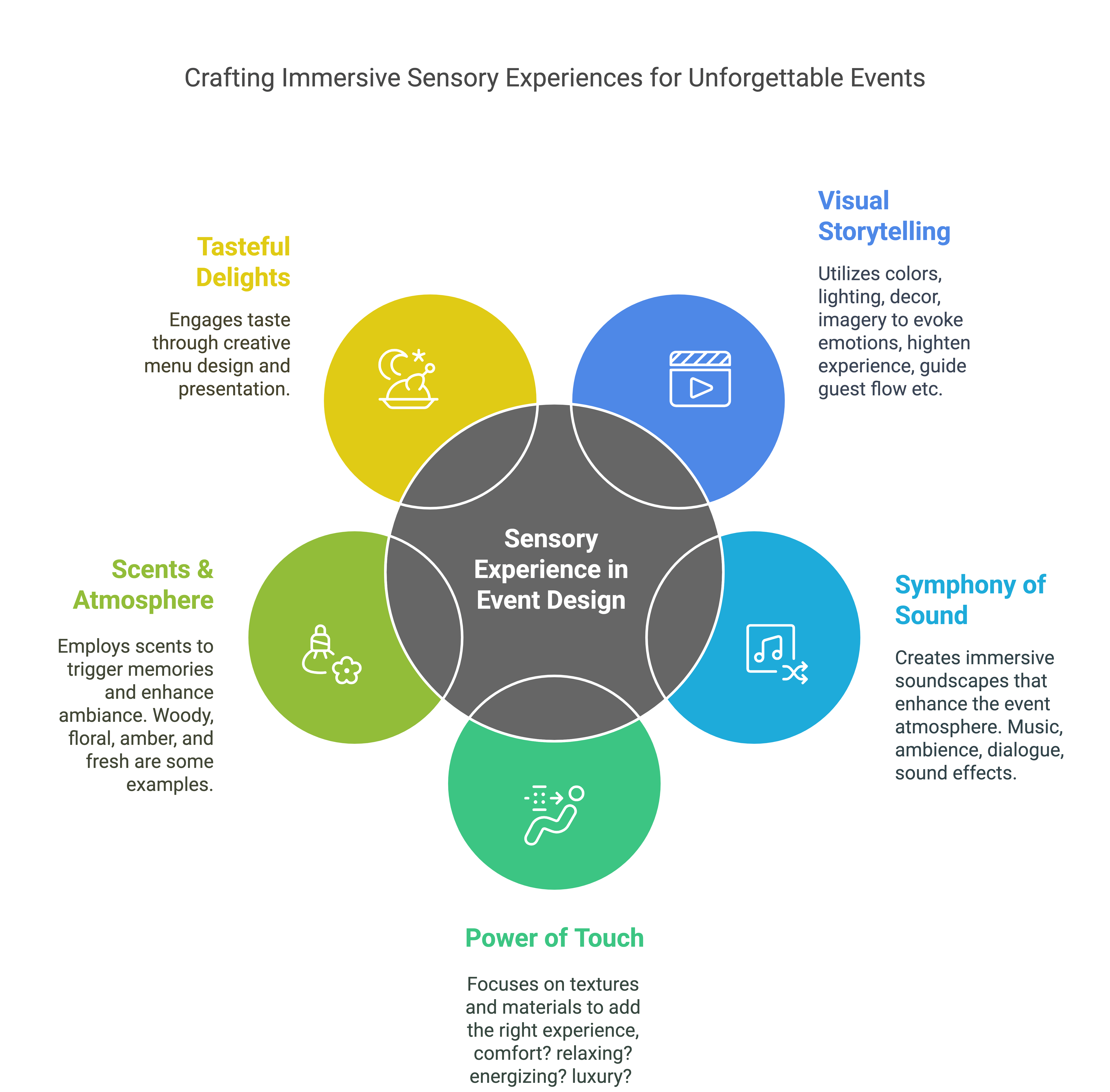
Events that only focus on visual and auditory stimuli miss opportunities to engage other senses. Engaging multiple senses enhances immersion and memory.
#5
Lack of Novelty:
Predictable event structures and content lead to habituation and boredom. Introducing unexpected elements and surprises keeps attendees engaged.
#6
Insufficient Networking Opportunities:
Many attendees value events for networking. Failing to provide structured networking opportunities can lead to dissatisfaction.
#7
Overly Long Sessions:
Extended sessions without breaks lead to cognitive fatigue and decreased attention spans. Concise, interactive sessions are more effective.
#8
Lack of Human Connection:
This is a bonus factor! In my experience, people love to feel included and part of a community. Don’t miss out on the chance to offer them this basic human need. It might not be your business’ main purpose, but why not contribute to connecting people around the world in a positive way? :)
Tools To Develop Amazing Customer Experiences
Understanding what makes customers, guests, and users bored and lose engagement is a challenge, but the solutions can be simple and inexpensive if you just understand the problem! To find that out, you can work with a user-focused design process.
Start by getting to know the customer, creating personas and map your event using user journeys. If that seems like too much work or is complicated, simply start this process by going through the factors mentioned above in a team meeting. Discuss openly and note where you believe there are boring spots or “pain points.” As a next step, you can brainstorm and develop solutions.
A pain point in a user journey refers to any problem, frustration, or negative experience that a user encounters while interacting with a product, service, place etc. It’s essentially a roadblock that hinders the user from achieving their desired goal or having a smooth, satisfying experience.
Do this work in a workshop with your team (here’s how you prepare). If you’re a solo business owner, invite some friends over for a fun, creative workshop. You’ll reveal important areas for improvement in just one workshop!
How To Start Working With Experience Design In Your Business
Here are some tips to help you develop better user and customer experiences:
1 – Start getting to know your customers and users and start identifying your customer segments and personas.
2 – Learn about human-centered methods and design thinking on this blog.
3 – Use tools to empathize and understand your customers (journey maps, empathy maps, observations, interviews etc.), to better understand customers’ activities and feelings when using your services.
4 – Learn brainstorming to generate ideas. Get inspiration about developing solutions with brainstorming:
5 – Create user stories for your customer segments or personas and develop storyboards to document and refine your ideas.
6 – Use an all-five-senses design model, to get inspired and create memorable, sensory-rich events.
In an experience design coaching program, you’ll receive personalized support tailored to your business and customer experience challenges. Ask for information and availability .
Happy experience designing!


Join the blog community and get subscriber-only hands-on tips, challenges and support for designing customer experiences!