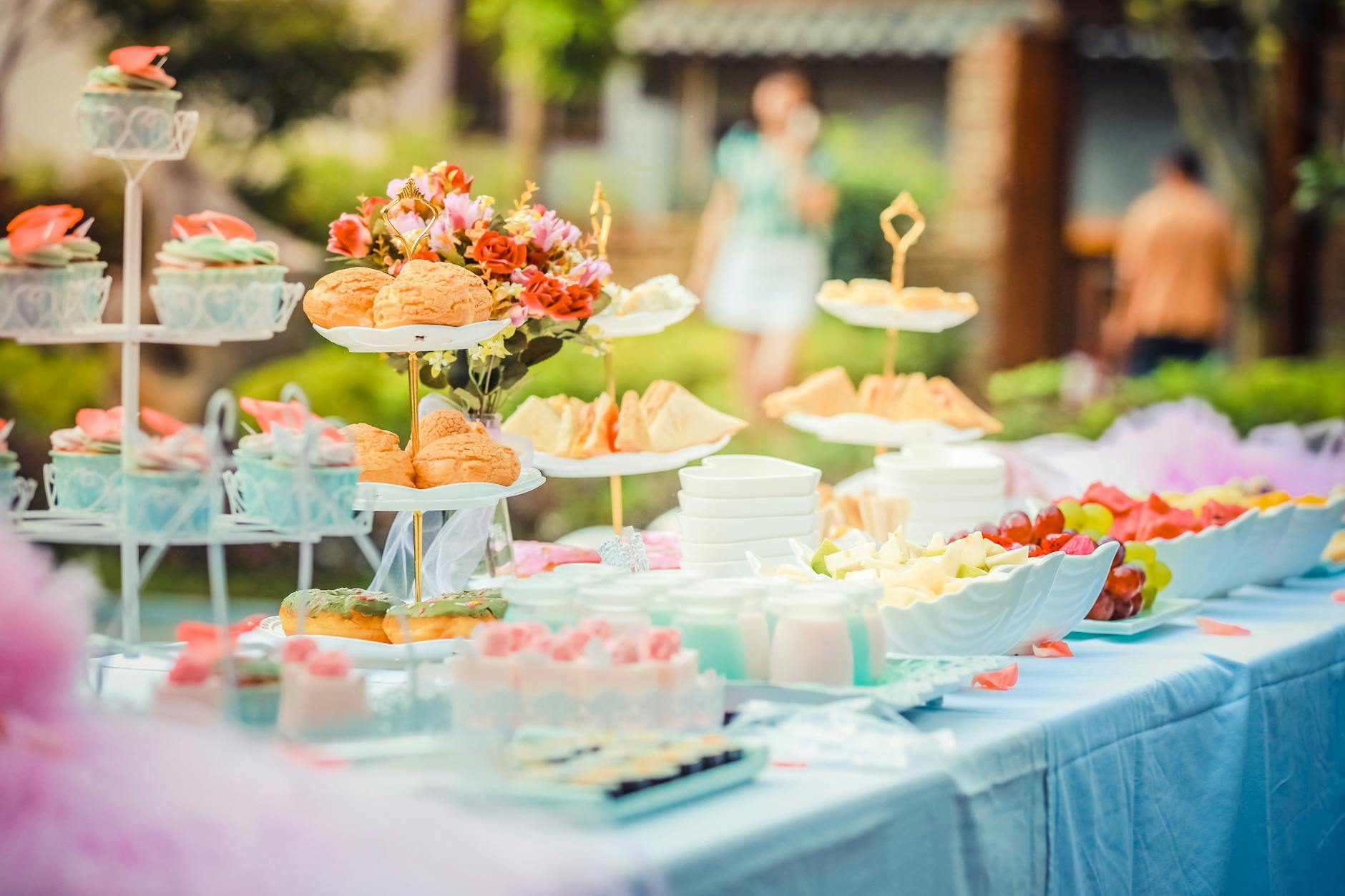
Running projects that develop events, experiences, and physical spaces can be incredibly fun. Focusing on human needs and experiences also presents a very rewarding challenge. But where do you even begin? With so many perspectives and approaches, trying to create a customer-loved service or experience can feel overwhelming. The Design Thinking framework, with its human-focused methods, is always a great starting point, but another powerful approach is to also focus on the sensory aspects!
How to design experiences and level up your events
The crafting of unforgettable experiences is central to event planners and professionals in the tourism and hospitality sectors. It is worth considering, however, whether all the senses are truly being engaged. Frequently, visuals receive primary attention, and the powerful impact of sound, touch, smell, and even taste is not fully leveraged. Through a five-sense design approach, a reminder of the value of engaging more senses can be offered, allowing an event, activity or a space to be elevated from nice to extraordinary, and a lasting impression to be left on attendees. Let’s explore!
How To Engage All Senses in Experience Design
Here’s a list to go through to start working on designing for the senses.
1. Define Your Event’s Essence:
Before diving into the sensory details, clarify the overall feeling you want to evoke in your event, service, place, space etc. Is it elegant and romantic? Energetic and celebratory? Relaxing and rejuvenating? Your event’s core essence will guide your sensory choices.
2. Visuals: Anything visual: colors, lighting, images, photos, video, decor
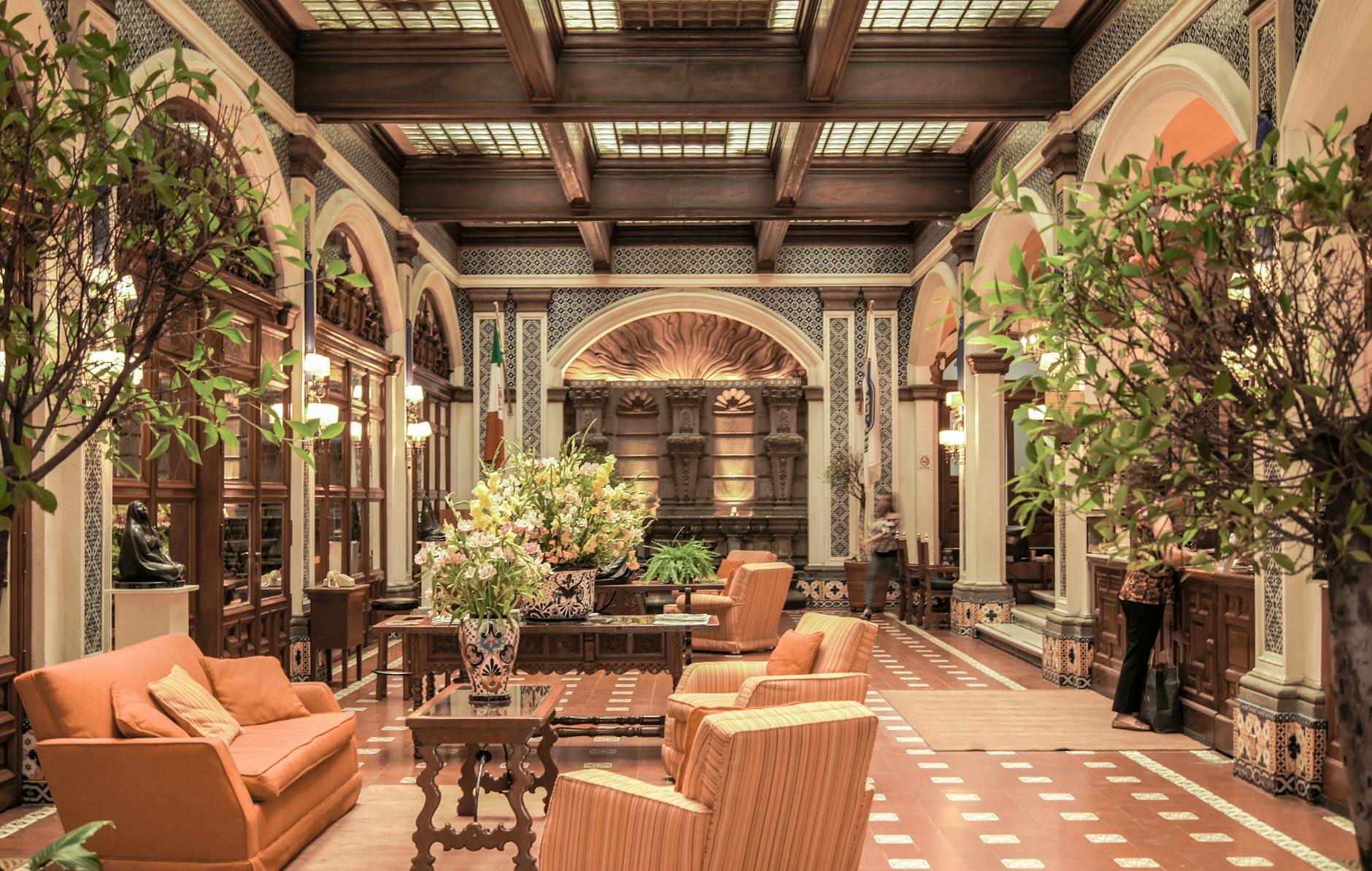
This is often our starting point, but let’s go beyond the basics. Consider color palettes that not only look beautiful but also evoke specific emotions. Think about the flow of the space and how guests will move through it, or lighting – from soft, romantic uplighting to vibrant, dynamic displays. Don’t forget the small details, like beautifully designed signage and menus. Video projections, posters, decorations, coloured light …. use your imagination!
3. Sound: Anything auditory: dialogue, sound effects, music, ambience.
Sound is so much more than background music. Think about creating a soundscape that builds throughout the event. Also consider incorporating sound effects, like a gentle rain sound for a spa-themed event, or even strategically placed speakers for a truly immersive experience. Go through the ideas with different people. What associations arise from hearing the sounds?
With sound effects, you can bring countless imaginary places to life, creating emotional depth and immersion. The comforting crackle of a fireplace might evoke a sense of home, the soothing rhythm of beach waves a feeling of peace or holiday, and the joyful songs of birds fill the air with optimism.
4. Touch: The role of touch with use of textures, materials, surfaces can contribute significantly to the theme you want to create.
Tactile experiences can impact how you perceive a space. They can add layers of luxury and comfort, or convey authenticity and rustic charm. Consider the feel of linens, the texture of furniture, and the weight of silverware. Provide comfortable seating, perhaps with plush throws or cushions. Analyze your customer’s use and experience of your service and space. What associations arise from touching the materials?
5. Scents & Atmosphere: Scents trigger, associations and memories. Woody, floral, amber, and fresh are some examples.
Scent is incredibly powerful, as it’s probably shaped by cultural experiences and linked to memory and emotion. One can use subtle, carefully chosen scents to enhance the atmosphere. A hint of lavender can create a sense of calm, while citrus scents can be invigorating. Be mindful of allergies and avoid anything too overpowering. Always analyze your ideas from user perspectives. What associations arise from the scents do you think?
6. Tasteful Delights: Engages the sense of taste through creative menu and presentation.
For food-related events, engage the sense of taste through creative menu design and presentation. Consult a professional chef or menu designer. One can also use a descriptive language to evoke the flavors and aromas of the dishes. Design for a variety of textures and flavors to create a well-rounded culinary experience. Even for non-food events, consider offering signature drinks or small treats that complement the overall theme. I personally love an unexpected small treat.
7. Harmonize the Senses:
The key to successful five-sense design is creating a cohesive experience. All sensory elements should work together to reinforce the event’s essence. Review the essence description to ensure the design is well-balanced and thought-out.
By consciously designing for sight, sound, touch, smell, and taste, you can craft truly immersive and unforgettable events that resonate with your attendees on a deeper, more emotional level. This attention to detail will set you apart and leave a lasting impression. Print and use the model (at the end of the post) in a workshop!
Organize A Brainstorm Workshop In Five-Senses Design
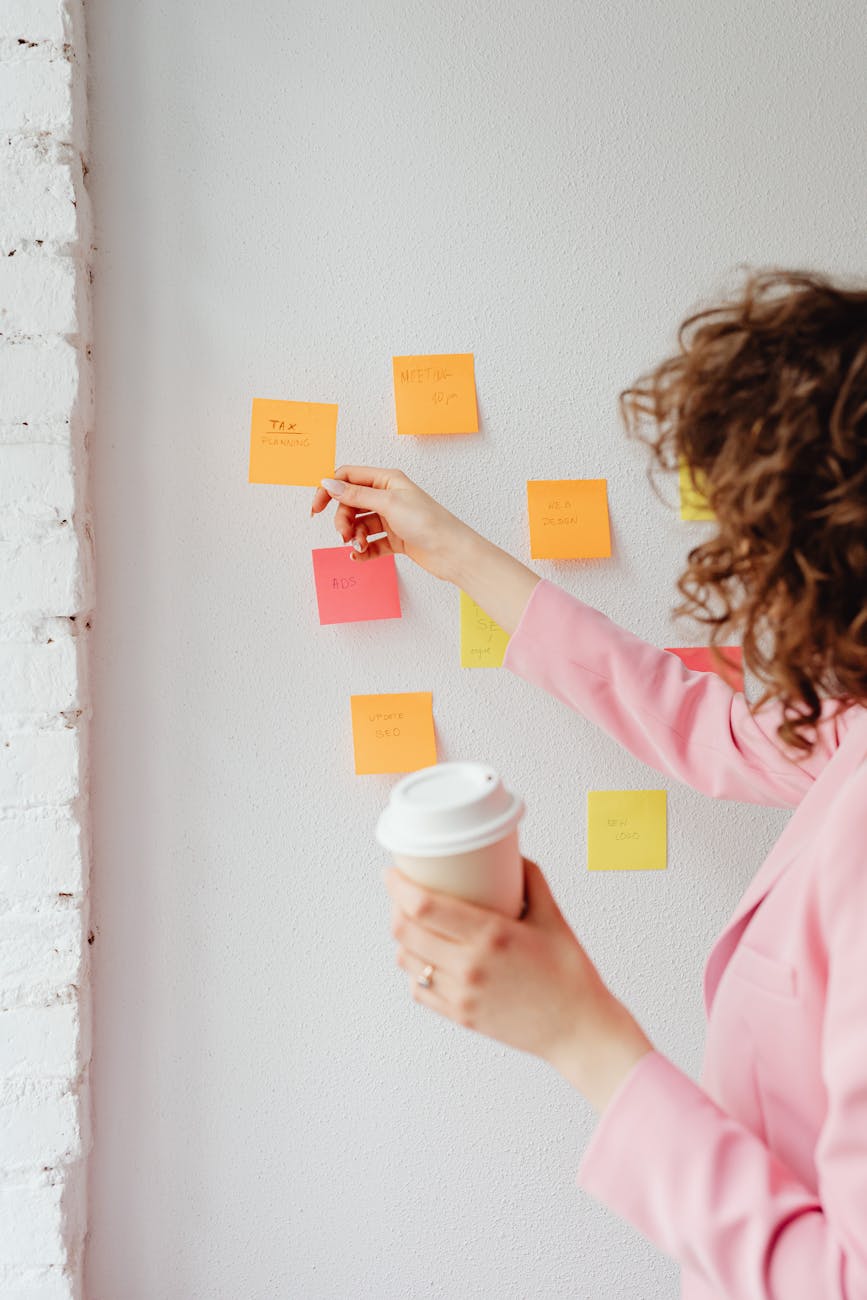
So, how can you use this as inspiration for your events, products or services? I suggest starting with organizing a workshop with a group of 3-6 people to examine one or two of your services and events in detail. Collaborative workshops, with multiple perspectives, can yield significant results in a 1.5-hour session.
Need help designing your services? Request a cost-effective remote audit or check our coaching availability via the form below.


Happy experience designing!





One response to “Engage All Five Senses: A Guide for Hospitality Businesses”
[…] Extra tip: Enhance this journey by adding more layers as needed. Depending on the situation, it might be necessary. For example, in event planning, consider incorporating sensory experiences to gauge whether users are fully engaging with all five senses. This will help determine if you’re offering the richest possible experience. Check out and download my tool and model Five-senses design. […]